Here be dragons. And doves. Human beings long for transcendence. Such longing is, for the world, always out of fashion because, of course, it is not a longing for the world, and the world knows it. We know what the world wants. The world—by which we mean Satan, the Lord of the World—wants above all our obedience, a jewel so precious that he will do anything to get it: lie, steal, murder, bear false witness, pretend to social standing, pretend to insider knowledge to get us to consent to his influence. “God lied to you. You will not die.” And suddenly we are anxious about having other people dislike us, about losing prestige in our social circles, about other people being more popular or influential or successful, about other people having secret knowledge, about our own influence and fame. “You shall be as gods, knowing good and evil.” And with that temptation, our first parents fell. The irony is cosmic. There they were in the Garden, privy to conversation with God face-to-face, ...
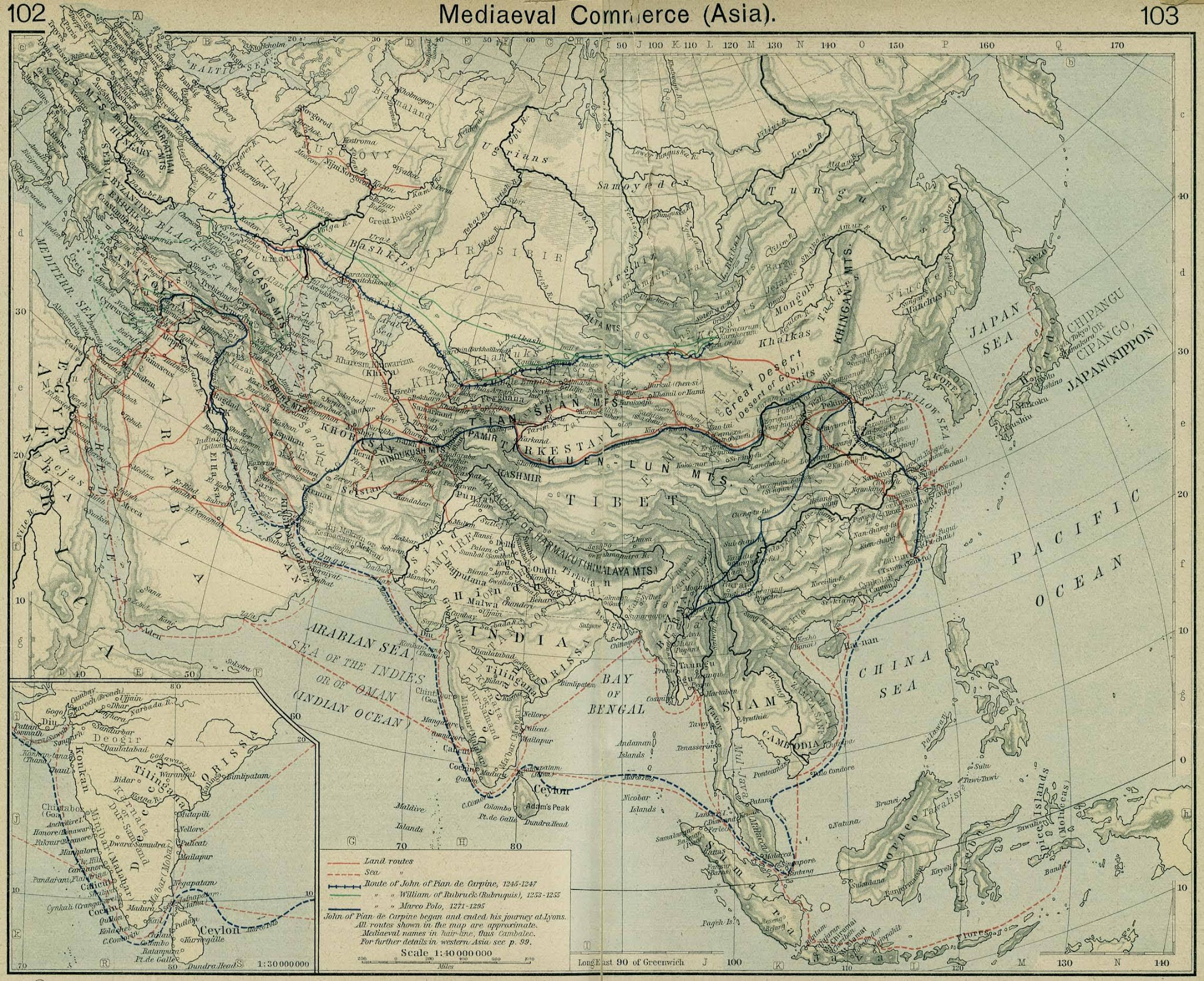


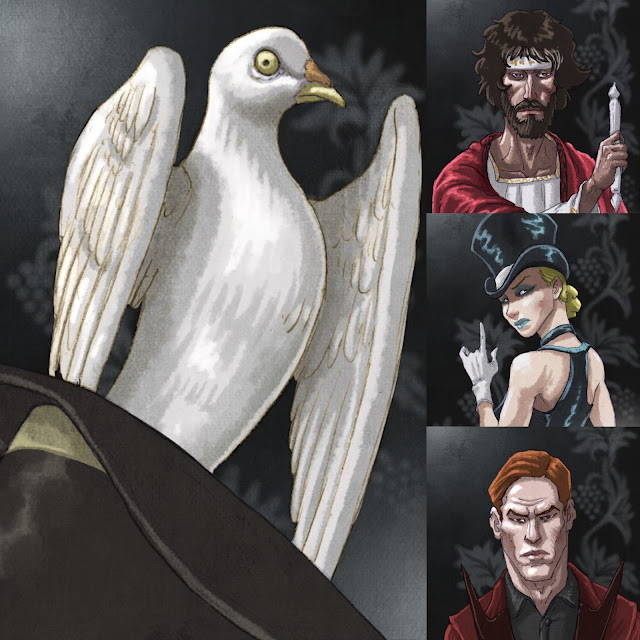

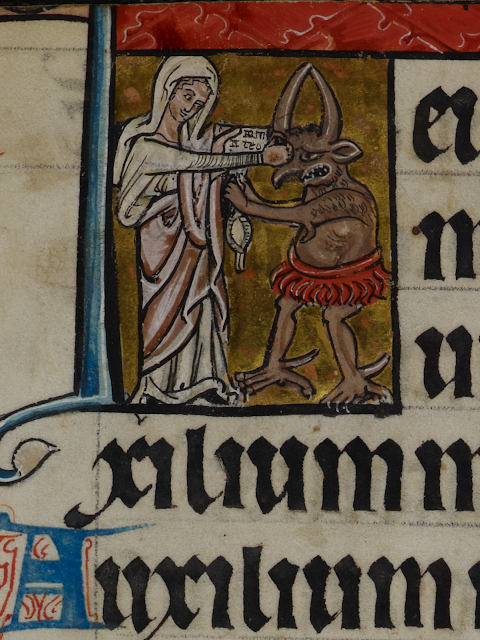
Something to think about, who are the sea and earth beasts referred in Revelation?
ReplyDeleteWhat are your conclusions?
ReplyDeleteI am still mulling, but it looks to me like there are deep structures at play, don't you think?
DeleteYes. My husb pointed out to me that it is interesting on the old maps both routes were not going through the Byzantine Empire as it then existed. There are similar dynamics going on now both with oil pipeline fights and the Belt and Road initiative
DeleteI have tried repeatedly to reply and Blogger keeps throwing me out
DeleteMy husb pointed out that these maps indicate that at these times the Silk Route was not going through the Byzantine Empire
It seems that today a similar conflict is going on over pipeline routes and the route of the Belt and Road initiative, with the descendants of the Ottomans at front and center in terms of very aggressive activity in this respect
My spouse is a prof of network economics/industries -- he found this very interesting, thank you
ReplyDelete